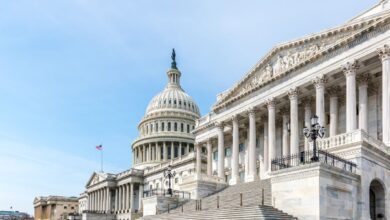
Democrats say gains in several 2025 statewide and local contests show a path to reclaiming the House with a net pickup of three seats in the 2026 midterms. Republicans, who have held the chamber since January 2023, say they must defend that same three-seat margin to preserve control and the committee chairs that shape oversight and spending priorities.
The outcome will affect the president’s second-term agenda, federal oversight of agencies, border security funding and appropriations. Both parties have begun sharpening messaging on the economy and turnout, and are building targeted operations in competitive districts. For coverage of how campaigns are organizing and messaging, see our Politics Coverage.
Background
Party officials on both sides used 2025 results to press competing narratives about the electorate. Democrats pointed to several statewide and local wins as evidence voters are concerned about affordability, housing costs and health care. Republican leaders said those outcomes reflected particular turnout dynamics in off-year contests rather than a broad shift, and they emphasized security, border policy and crime as issues that could reshape voter decisions in 2026.
Political strategists note that midterm trends depend less on single elections and more on turnout patterns, candidate quality and local issues. Historically, the president’s party often loses House seats in a midterm year, but recent cycles have shown exceptions tied to the national environment and campaign investment levels.
Targets and Tactical Planning
Party committees have already set early targets and are allocating staff and money to a narrow set of districts where a small change in turnout could flip control. Democratic campaign officials say a net gain of three seats would be sufficient to win back the majority, a goal embraced by national and House campaign committees. Republican campaign leaders say they will focus on defending those same margins and have identified a handful of districts they consider must-win.
Both sides plan intensive voter contact, digital advertising and local organizing. Republican officials argue their efforts will be bolstered if the former president campaigns for House nominees, saying his rallies boost turnout among some voters. Democrats counter that nationalized messaging tying vulnerable Republicans to the president could be effective in districts with unaffordable housing or stagnant wages.
Local and national reporting has detailed how committees are already shifting resources, and operatives say the map is narrow enough that a small number of competitive districts will decide control, according to Fox News.
What Voters Care About
Polls this year have repeatedly shown that pocketbook issues rank high for many voters. Concerns over inflation, housing costs and health care affordability have given Democrats an argument they plan to make center stage. Republicans are emphasizing promises of tax relief, economic growth and tougher immigration enforcement as remedies they say will ease household pressures.
How voters perceive those competing messages will depend on local economic conditions and which issues dominate the news cycle. Crime and border security remain salient for some voters, and Republican strategists plan to highlight those concerns where they believe it will mobilize undecided or low-propensity voters.
Money, Messaging and Legal Levers
Fundraising already reflects the narrow stakes. National committees, super PACs and outside groups are focusing on high-return districts where digital ads and ground operations can shift outcomes. Incumbents with close margins must defend constituent outreach and contrast their records with challengers who are building name recognition.
Legal and administrative factors will also matter. Changes to voting rules, redistricting outcomes from recent cycles and how states administer ballots and early voting can affect turnout. Both parties are investing in legal teams and poll-watching operations to protect access and guard against disputes that could decide close races.
Reactions and Next Steps
Democratic leaders have used 2025 outcomes to argue voters want change on cost-of-living issues and have committed to sustaining that theme through 2026. Republican leaders have called for disciplined turnout and have publicly urged the former president to campaign for House candidates, saying his presence can mobilize base voters in key districts.
Both parties plan to begin formal candidate recruiting, early fundraising and targeted organizing this year. Committees have scheduled candidate training, voter file investments and in some cases have already begun testing messaging in television and digital markets.
Key Battlegrounds to Watch
The fight for the House is expected to be decided in a small number of swing districts that are politically divided and where margins are thin. Analysts will watch suburbs that swung in recent cycles, districts where incumbents survived narrow wins, and areas affected by housing and economic shifts. Special elections and retirements will also reshape the map before the 2026 general election.
How aggressively the parties contest those seats will determine whether the outcome is decided by targeted turnout and local issues or by a broader national swing. The presence of high-profile surrogates, such as former presidents or major donors, could change turnout dynamics in individual districts.
Analysis
The 2026 midterm battle highlights why control of the House matters for governance and accountability. A three-seat difference will determine which party holds committee chairs, the power to issue subpoenas and the ability to control agenda and funding priorities, including border security and federal oversight. That narrow arithmetic raises the stakes for operational precision in turnout, legal preparedness and message discipline.
For voters, the contest will be framed around immediate economic pressures and public safety concerns. Democrats see an opening if they can sustain turnout beyond the special circumstances that helped in some 2025 contests and translate economic messaging into votes. Republicans must hold turnout in favorable districts and show voters tangible economic benefits from their policies, while managing the impact of national figures on local races.
Ultimately, the House fight is likely to be decided in a handful of competitive districts rather than by a large national swing, making early organizing, targeted spending and local campaign infrastructure decisive factors in 2026.