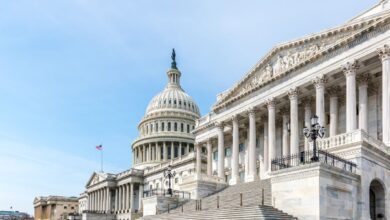
Several members of Congress said this week they will spend Thanksgiving with family and local communities, offering gratitude for service, loved ones and a break from the pressures of Washington. Their comments come as lawmakers prepare to leave the Capitol for the holiday amid a busy congressional calendar and heightened public scrutiny of how elected officials prioritize constituent work.
Those remarks, which touch on personal milestones and routine constituent outreach, provide a window into how lawmakers balance public duties and private life as they travel home. In our Congress Coverage, we track how these home visits and charitable activities shape lawmakers public image and voter ties.
Background
Thanksgiving traditionally prompts public figures to describe what they appreciate, and Capitol Hill is no exception. Members from both parties often use the holiday break to emphasize family, faith, volunteerism and service to their districts.
Congress typically adjourns for a Thanksgiving recess that lasts a few days to a week, though the House and Senate calendars can be adjusted for high-priority legislation or emergency votes. That scheduling reality means holiday travel can coincide with urgent national issues or closed-door negotiations, creating tradeoffs between constituent outreach and legislative responsibilities.
What lawmakers said
Several members shared brief statements about how they plan to observe the holiday and what they value. Many comments were reported in local outlets and press briefings; for additional context, see local reports.
- Rep. Jim McGovern, D-Mass. said he was looking forward to returning to Massachusetts for family time and a respite from what he described as recent turmoil in Washington. McGovern also said he plans a long fundraising walk over the holiday to benefit a regional food bank, an activity he has used in past years to raise awareness and donations for hunger relief.
- Rep. Jodey Arrington, R-Texas, said he was thankful for the opportunity to serve and for the chance to focus on family while home. Arrington has been in Congress since the mid 2010s and is among members who have in recent years signaled plans for transitions at the end of their current terms.
- Rep. Steny Hoyer, D-Md. said he was grateful for family and recent personal developments that have broadened his circle of loved ones. Hoyer, a long-serving House Democrat and former majority leader, framed the holiday as a time to reconnect and reflect after a busy legislative year.
- Reps. Anna Paulina Luna, R-Fla., and Erin Houchin, R-Ind. both cited family as a central source of gratitude. Houchin described public service as a blessing and highlighted small home traditions her family observes during the holiday.
- Rep. Tom Suozzi, D-N.Y. said gratitude is a daily practice that helps sustain perspective, particularly during periods of partisan contention and policy disputes.
Traditions and community service
Members described modest holiday customs and local activities that tie them to constituents. Those rituals can reinforce local visibility and underscore commitments to charitable causes.
- McGovern emphasized his annual fundraising walk to support food banks in western Massachusetts, a form of constituent engagement that combines personal tradition with organized charity work.
- Houchin recalled a family popsicle-stick ornament contest as a lighthearted example of how members use small traditions to connect with voters and humanize public service.
- Luna said she values quiet downtime to watch popular films with family, while Arrington noted plans to eat, watch football and focus on family gatherings.
Community service during the holidays can take many forms, from food drives and volunteer shifts to appearances at local shelters and veterans centers. For lawmakers, these activities offer visible reminders of constituent priorities such as hunger relief, veteran services and small business support in holiday shopping seasons.
Practical implications for governance
Holiday recesses present predictable governance challenges. While the time away from Washington allows members to hold town halls, meet with local leaders and take part in community service, it also means fewer lawmakers are present for routine scheduling and unexpected votes.
Congress has procedures to recall members for urgent business, but doing so requires leadership coordination and can politicize responses to emergencies. For lawmakers nearing retirement or facing reelection, holiday travel and local events can shape voter perceptions about priorities and availability.
Accountability and public trust
Public expressions of gratitude and charity work can bolster trust in institutions when accompanied by substantive constituent services and transparent use of office resources. Voters and watchdog groups often scrutinize whether public appearances are tied to constituent outreach or partisan messaging.
For congressional offices, maintaining clear records of constituent services, fundraising activities and travel is part of routine accountability. Ethics rules limit the use of official resources for campaign activity, and most offices strive to separate public service events from political fundraising, particularly during a recess.
Analysis
The Thanksgiving statements from lawmakers underscore a balance at the center of representative governance: the need to be accessible to constituents while remaining available to fulfill legislative duties. Personal traditions and community service reinforce local ties and can soften partisan divisions, but they also raise questions about how members allocate time when urgent national matters emerge.
For the public, the holiday offers a chance to assess lawmakers on both symbolic and substantive grounds. Visible acts of charity and family-centered messaging can strengthen a lawmaker s bond with voters, but meaningful accountability depends on ongoing constituent service, transparent operations and responsiveness when the Capitol requires collective action.
As members return to Washington after the holiday, observers should watch how time away affected constituent outreach, whether local engagements resulted in measurable assistance and how quickly members resume oversight, voting and negotiations on high-priority legislation. Those are the metrics that most directly relate to governance, public safety and fiscal responsibility.